
Governance
Advisory Board
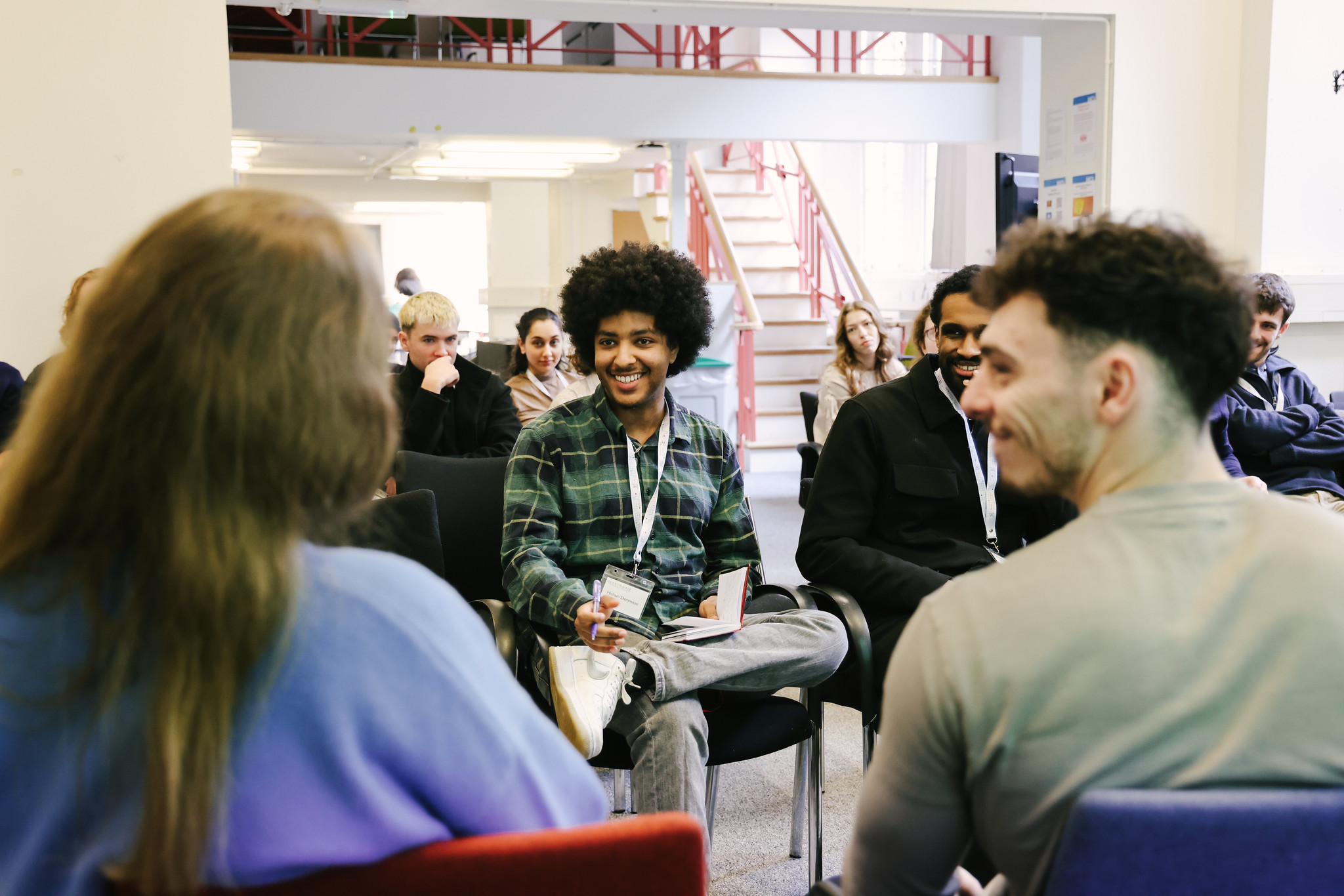
The Advisory Board has oversight of Martingale, guiding the development of our strategic goals and offering valuable insight on how best to achieve them. It ensures Martingale has strong governance and that its reputation is safeguarded. Members bring a wealth of expertise across higher education, charity development, legal and finance.
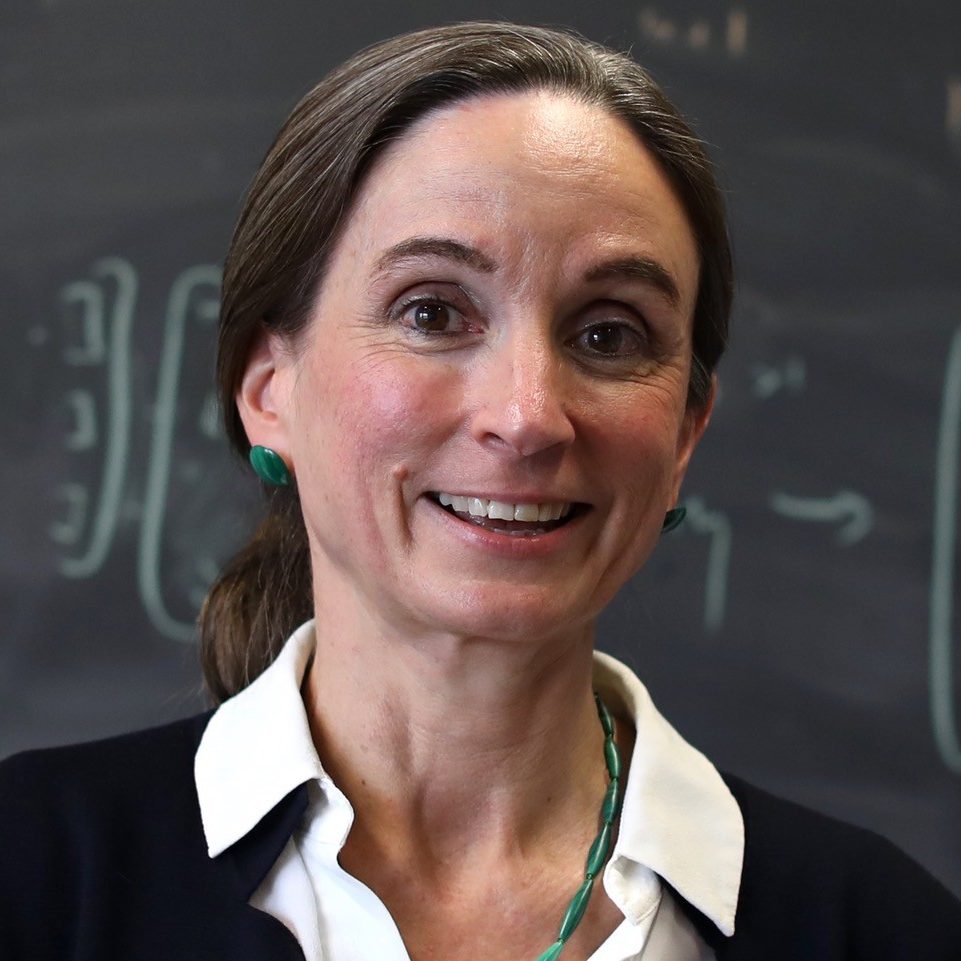
Kathryn Hess Bellwald
Chair – Professor of Mathematics, EPFL
read biography
Kathryn Hess Bellwald is a professor of mathematics and life sciences at the EPFL in Lausanne, Switzerland, a member of the Academic Board of the Swiss National Science Foundation, and a Trustee of the Laidlaw Foundation. She obtained her PhD in mathematics from MIT.
When Kathryn was Associate Vice-President for student affairs and outreach at EPFL from 2021 through 2024, she created and led the EPFL Mental Health Task Force and spearheaded the creation of the Bachelor Excellence Fellowship Scheme, as well as summer research programs for bachelor students, both with tailored transversal skill training, and a preparatory program for refugee and migrant students. She also led the development of tailored interventions for first-generation students, to improve the student experience and retention.
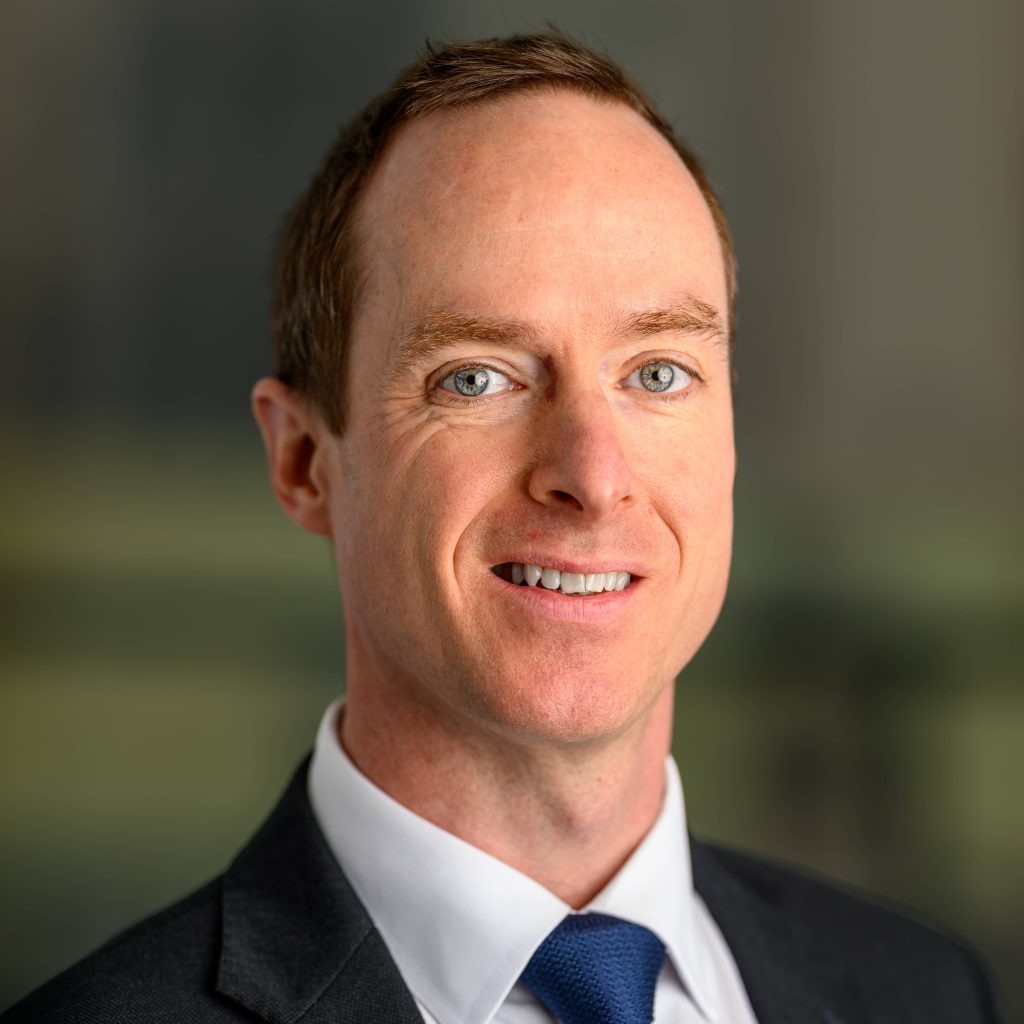
Simon Banks
Vice Dean (Education), Faculty of Natural, Mathematical and Engineering Sciences and Professor of Natural Sciences Education, Department Chemistry, King’s College London
read biography
Simon Banks is a chemist whose research spans quantum reaction dynamics and the statistical mechanics of frustrated and low-dimensional magnets. He has a specialist interest in academic strategy, regulation and quality assurance.
During a nine-year period as Director of Education UCL Engineering, Simon led a number of initiatives focused on student support at times of acute need, including improving university-wide support for students interrupting their studies. He also co-developed and led a successful residential training programme catering for up to two-hundred postgraduate research students annually, helping them to develop skills in communication, ethics, dissemination of research and personal resilience.

Michael Clark
Chief Executive, Purposeful Ventures
read biography
Prior to launching Purposeful Ventures, Michael was Deputy CEO of Ark. From 2012, he was on the management team of Ark Schools and built and led Ark Ventures. During this period, Ark grew from 11 to 39 schools and Ark Ventures successfully incubated 15 charities. Prior to Ark, he was a junior partner at McKinsey and co-led its education practice in the UK.
Michael was a founding trustee of Pause, Global Schools Forum, Frontline and Ada and, as well as Martingale, is currently on the Boards of SHiFT, Ark Start and Ark Curriculum Plus.

Simon Coyle
Head of Philanthropy, XTX Markets
read biography
Simon started his career as an inner-city school teacher through the Teach First programme. He left the classroom to co-found The Brilliant Club, an award-winning charity that recruits, trains and places PhD researchers to work as tutors and teachers in state schools. After stepping down as Chief Executive, he advised a range of education organisations on strategy and fundraising. He is now Head of Philanthropy at XTX Markets, a leading financial technology company.
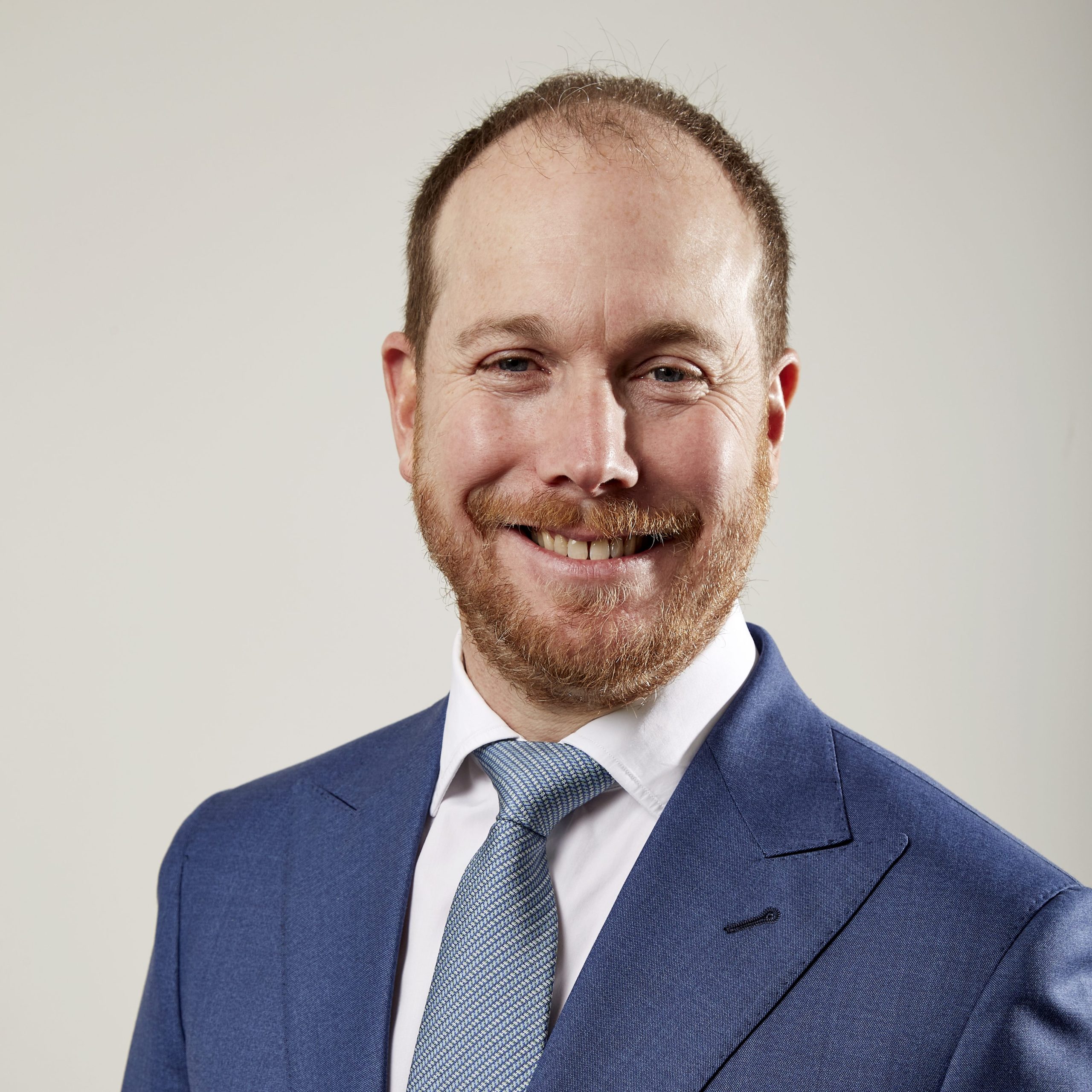
Orlando Gemes
Founding Partner and Chief Investment Officer, Fourier Asset Management
read biography
Orlando Gemes founded Fourier Asset Management in 2024. He was previously the Chief Investment Officer of Fairwater Capital. Prior to Fairwater, Mr Gemes was Head of Structured Credit at Hermes Fund Managers, where he also served on the Portfolio Review Committee. Previously, he was a Credit Trader and Portfolio Manager at Credaris, Artesian Capital and Fortis Investments. He has also worked with Investing for Good on providing finance solutions to charities and NGOs.
He holds a Post-Graduate Certificate in Applied Finance from Macquarie University, Sydney.

Jonathan Roiser
Professor of Neuroscience and Mental Health, UCL
read biography
Jonathan Roiser is a cognitive neuroscientist at the Institute of Cognitive Neuroscience, University College London. He leads a research team investigating the psychological and brain processes underlying mental health problems and their treatment, especially depression. He is also director of two PhD programmes, both of which have a strong emphasis on equality, diversity and inclusion, and he has worked for several years with the In2Research programme, which mentors students from disadvantaged backgrounds to enter postgraduate study.

Quentin Tannock
Barrister, 4 Pump Court
read biography
Quentin Tannock is a commercial barrister at 4 Pump Court in London. He has an international practice focusing on commercial, intellectual property (“IP”) and information technology (“IT”) domains, including an increasing emphasis on data protection and artificial intelligence (“AI”).
Prior to being called to the Bar, Quentin was a Fellow at the LCIL in the Faculty of Law at the University of Cambridge, worked for the University of Cambridge in a department responsible for R&D collaborations with major corporations, for a USA-based Venture Capital company and established an IP research consultancy, managing a software team that developed databases and analytics platforms. Originally from Zimbabwe, before moving to the United Kingdom Quentin practised law, lectured arbitration and mediation to final year law students and managed an Arbitration Centre. For five years, in 2018-2022, he gave a series of lectures on IP and business to science master’s students at the University of Cambridge. Quentin is a regular contributor to leading legal texts including The Law of Artificial Intelligence (Sweet & Maxwell, 1st Ed 2020, 2nd Ed 2024) and The Encyclopaedia of Information Technology Law (Sweet & Maxwell, 2022-2025).

Paul Wakeling
Professor of Education, University of York
read biography
Paul is a sociologist based at the University of York. His research focuses on inequalities in access to postgraduate education. Through numerous research articles and reports he has highlighted how access to master’s and doctoral studies is impacted by social class, gender and race/ethnicity. He has advised policymakers, universities and a range of third sector organisations on postgraduate access. He is currently leading work on reforming doctoral selection criteria and practices as part of the Yorkshire Consortium for Equity in Doctoral Education.
Student Advisory Board
The Student Advisory Board are current or recently graduated STEM PhD students who ensure that the student voice is represented in Martingale’s decision-making process. Ideas and developments are shared with the Student Advisory Board for feedback, ensuring strategic goals and programmes are worked towards effectively and in line with scholar needs.

Olivia Allen
read biography
Olivia is a PhD student at Queen Mary University of London where she is developing an organ-on-a-chip model to study the effects of air pollution on bone development as part of the BBSRC London Interdisciplinary Biosciences Programme. Previously, Olivia attended the University of Portsmouth to study Biomedical Science (BSc) and Molecular Biology (MRes), followed by research scientist roles at the Francis Crick Institute and in the biotechnology industry. Outside of the lab, one of Olivia’s interests is science communication and public engagement, particularly speaking to younger students about STEM careers.

Tina Kimfumu
read biography
Tina is a dynamic professional specialising in technology, ED&I, widening access and participation, and corporate social responsibility. With extensive experience in the corporate sector, she has advised numerous Government organisations, corporations, financial institutions, charities, and universities. Tina founded and led the African and Caribbean Network Corporate Responsibility team at KPMG UK, managing a national team and collaborating with grassroots charities to support young Black communities. Currently, as a PhD scholar at the University of Bath, she explores the impact of technology on workers, with a focus on employee well-being, productivity, and addressing organisational inequality in the digital age.

George Mears
read biography
George is a PhD student with the London Interdisciplinary Doctoral Programme, on a collaborative project between Royal Holloway, University of London, Royal Botanic Gardens, Kew, and the Nelson Mandela African Institute of Science and Technology. His research is focused on understanding the traditional medicinal use of a plant from Tanzania, Myrica salicifolia, to seek new medicine and aid its sustainable use and conservation efforts. He was brought up in a working-class household and state school educated. Having experienced the barriers to postgraduate study, he would like to translate his knowledge into support mechanisms for aspiring STEM students.
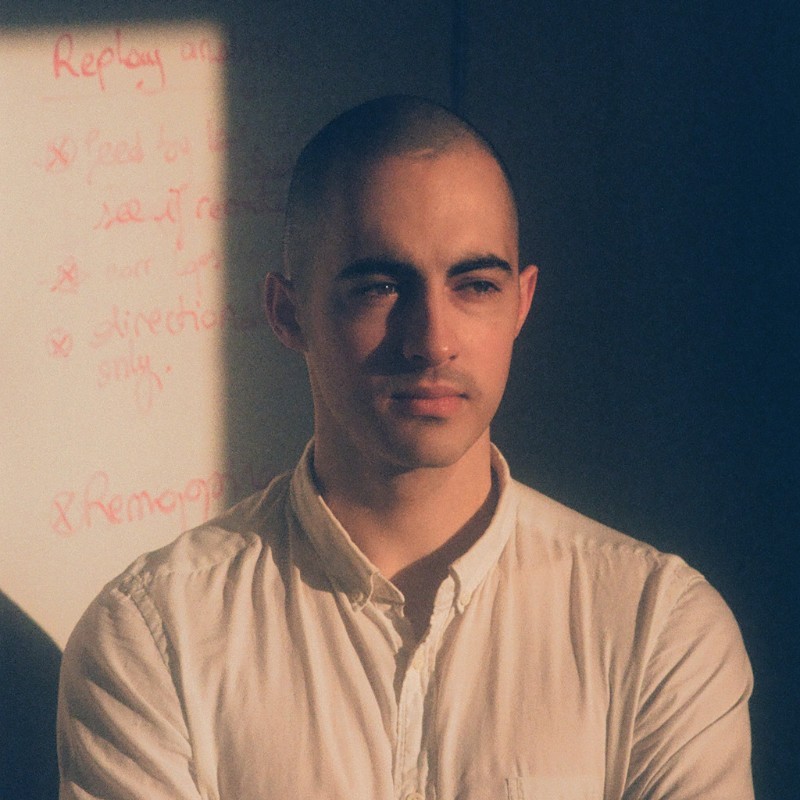
Merlin Williams
read biography
Merlin is a neuroscience postdoc at UCL, focussing on ML-based approaches to upper limb impairments in chronic stroke patients. His PhD was in circuits and systems neuroscience, also at UCL. Coming from a low-income background and educated at a comprehensive, Merlin is passionate about advocating for access to STEM for people from lower socioeconomic backgrounds.

Amir Fathi
Academic Advisory Committee
The Academic Advisory Committee is comprised of senior academics from across Martingale’s four priority subject areas: mathematical sciences, artificial intelligence, engineering, and data science in healthcare. They provide strategic academic guidance to support our continued growth and maintain the focus on research excellence, ensuring that we are supporting talented people to do leading research. The Chair of the Academic Advisory Committee, Simon Banks, also sits on and feeds back to our Advisory Board.
Simon Banks
Chair – Vice Dean (Education), Faculty of Natural, Mathematical and Engineering Sciences and Professor of Natural Sciences Education, Department Chemistry, King’s College London
read biography
Simon Banks is a chemist whose research spans quantum reaction dynamics and the statistical mechanics of frustrated and low-dimensional magnets. He has a specialist interest in academic strategy, regulation and quality assurance.
During a nine-year period as Director of Education UCL Engineering, Simon led a number of initiatives focused on student support at times of acute need, including improving university-wide support for students interrupting their studies. He also co-developed and led a successful residential training programme catering for up to two-hundred postgraduate research students annually, helping them to develop skills in communication, ethics, dissemination of research and personal resilience.

Alejandra Castro
Associate Professor, Department of Applied Mathematics and Theoretical Physics, University of Cambridge
read biography
Alejandra Castro is an Associate Professor at the Department of Applied Mathematics and Theoretical Physics at the University of Cambridge. Her work explores aspects of classical and quantum gravity in the context of string theory. She previously held faculty positions at the University of Amsterdam and postdoctoral positions at Harvard University and McGill University.
Alongside her academic work, Alejandra leads initiatives to improve equity, diversity and inclusion in theoretical physics. She coordinates GenHET, an international network based at CERN, and previously chaired Women in the Faculty of Science at the University of Amsterdam, where she helped develop initiatives and community resources that support underrepresented researchers.
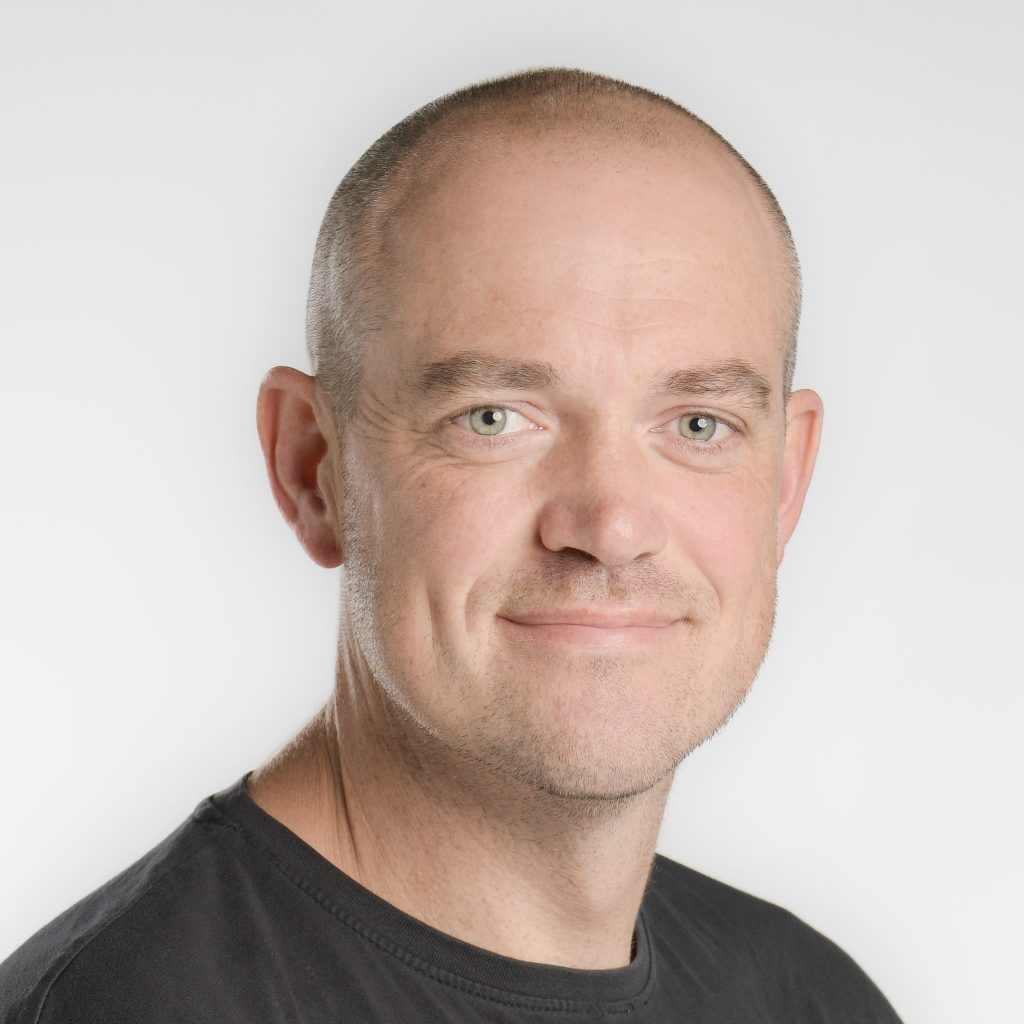
Ed Cohen
Reader in Statistics, Imperial College London
read biography
Ed Cohen is a Reader in Statistics at Imperial College London. His research focuses on developing statistical methodology for analysing and understanding complex signals and images, with particular strengths in network analysis and biological imaging.
He has extensive experience in designing and leading significant postgraduate programmes. Ed is Joint Director of the EPSRC Centre for Doctoral Training in Statistics and Machine Learning (StatML), a collaboration between Imperial and Oxford, and formerly Director of the MSc in Statistics at Imperial. He is committed to fostering inclusive postgraduate research environments and broadening participation in STEM.
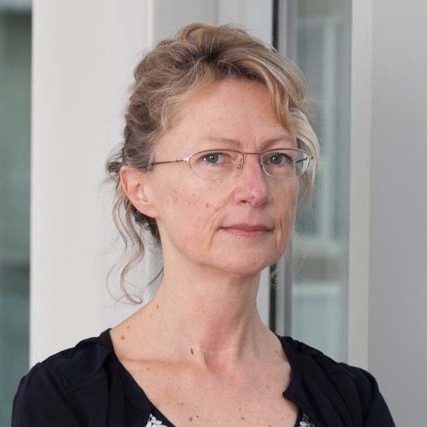
Karen Halliday
Chair of Systems Physiology, College of Science and Engineering, University of Edinburgh
read biography
Karen Halliday is Professor of Systems Physiology at the University of Edinburgh. She studies systems approaches to biological problems and conducts cross-disciplinary research spanning molecular-genetics, mathematics, computational science and AI. Her biological research focuses on plant vision, and the molecular pathways that translate visual cues into adaptive physiological responses. Karen has longstanding involvement in equality, diversity and inclusion, and is currently College Dean of Systematic Inclusion. In this role she works with social scientists to understand the basis of structural discrimination and to derive evidence-based methods for culture change.
Karen has made significant contributions to community and professional service. She is a member of the Hong Kong Research Assessment Exercise Panel for Biology and was the founding Director of the Edinburgh Plant Science Consortium. She served on the 2015 BBSRC Institute Assessment Exercise panel and is currently sits on several strategic committees, including the BBSRC People and Talent Strategy Advisory Panel, and the BBSRC EDI Expert Advisory Group. Karen is also an Executive Board member of the Scottish Consortium for Rural Research.

Eric Hewitt
Head of the Faculty of Biological Sciences Graduate School and Associate Professor of Cell Biology, University of Leeds
read biography
Eric Hewitt is a molecular cell biologist at the School of Molecular and Cellular Biology, University of Leeds. His research focuses on the cellular basis of amyloid disease and on the roles of lysosomes in cellular physiology. He is the Head of the Faculty of Biological Sciences Graduate School, the interim Director of the BBSRC Yorkshire Bioscience PhD programme and a management board member of the MRC Discovery Medicine North PhD programme. Eric is committed to equality, diversity and inclusion, having led a project investigating awarding gaps in undergraduate degrees and he mentors students from disadvantaged backgrounds in applications for PhDs.
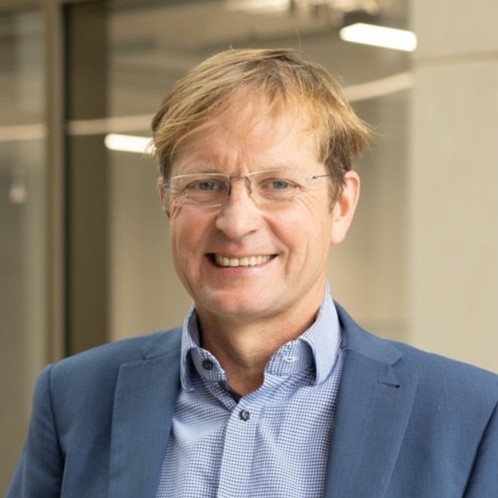
Gordon Love
Head of School of Computer Science, University of Leeds
read biography
Gordon Love is Head of the School of Computer Science at the University of Leeds where he leads a school of over 1200 students, 120 staff and a portfolio of degree programmes. His interdisciplinary research sits on the boundary of computer science, engineering and physics and involves optics, imaging and graphics. He has made research contributions to astronomy, microscopy, vision science, ophthalmic optics and computer graphics.
At University of Leeds he sits on the University Council and Senate. He previously worked at Durham University where he was the Deputy Head of the Science Faculty and the founding Head of the then new Department of Computer Science.
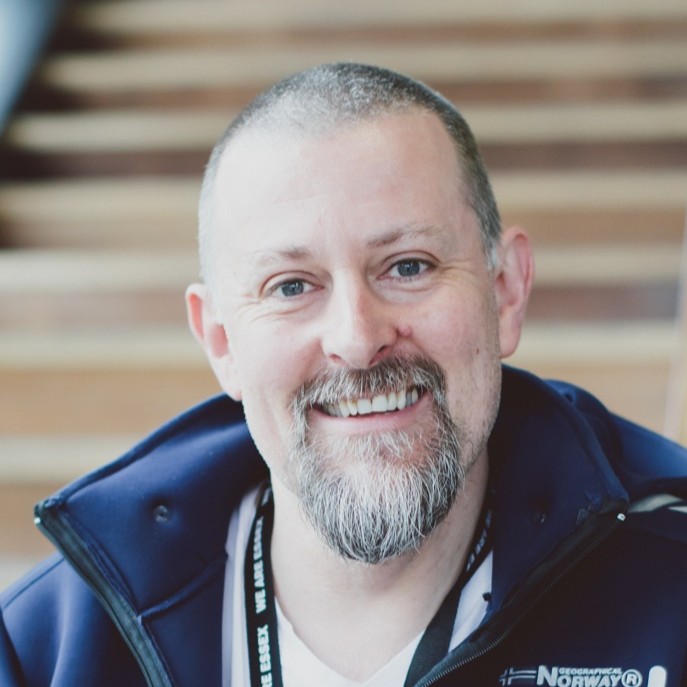
Reinhold Scherer
Head of School and Professor in Brain-Computer Interfaces and Neural Engineering, School of Computer Science and Electronic Engineering, University of Essex
read biography
Reinhold Scherer is Head of the School of Computer Science and Electronic Engineering at the University of Essex. He develops non-implanted brain-computer interfaces that restore independence for people with severe motor impairments, supporting stroke recovery and assistive communication. His work combines adaptive signal processing and AI to create accurate, accessible and ethically responsible neurotechnology. Committed to equity and diversity, Reinhold advocates for inclusive innovation as Vice President of the International BCI Society and member of the Centre for Neurotechnology and Law.

Geoffrey Vasil
Reader in Computational and Applied Mathematics, University of Edinburgh
read biography
Geoff Vasil is a Reader in Applied and Computational Mathematics at the University of Edinburgh. His research interests span several areas of applied and pure mathematics, computational science, mathematical physics, geophysical fluid dynamics, astrophysical plasmas and, especially, solar physics. Geoff has previously studied and held positions in the US, Canada, Australia and the UK. His work has been featured in popular media such as CNN, Forbes, CBC Radio (Canada) and the Museum of Natural History in London. He is especially passionate about mentoring promising young students and researchers, helping them find their path and realise their best potential.
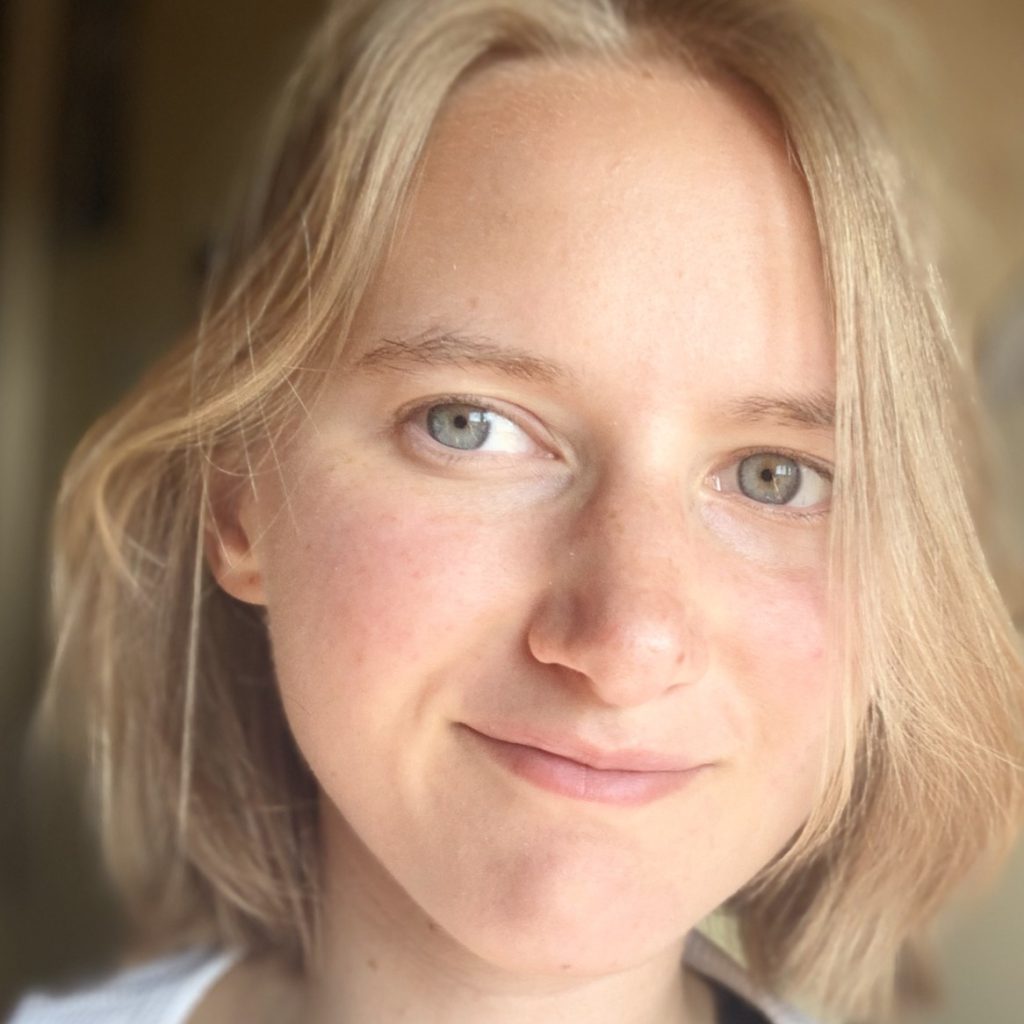
Tiffany Vlaar
Lecturer in Applied Mathematics, University of Glasgow
read biography
Tiffany Vlaar works on mathematics of deep learning and climate change AI as a Lecturer (Assistant Professor) at the University of Glasgow. She is recognised as an ELLIS (European Laboratory for Learning & Intelligent Systems) Member. She earned her Mathematics PhD from the University of Edinburgh, during which she was a Turing Institute enrichment student, and was a postdoctoral researcher at Mila – Quebec AI Institute and McGill University. She is a Women in Machine Learning (WiML) Director, and co-founded the UK-wide Piscopia Initiative, which aims to encourage women and non-binary people to consider doing a PhD in Mathematics and wider STEM.